
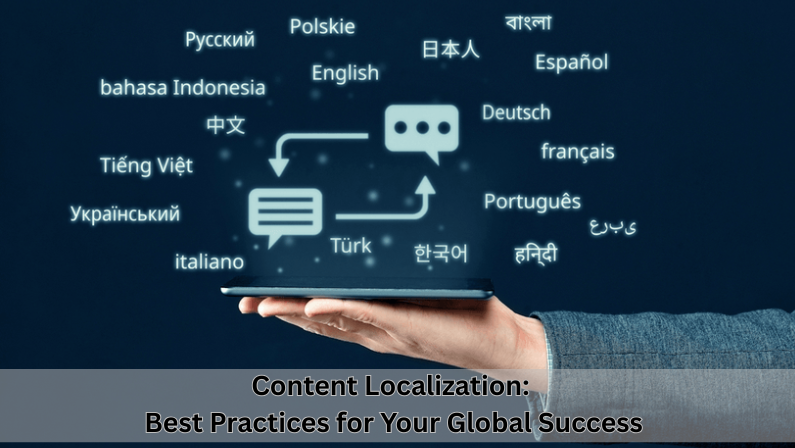
60% of consumers won’t buy from a brand that fails to speak their language—literally and culturally.
Content localization isn’t translation. It’s cultural alchemy that transforms your message to resonate, persuade, and convert in every market. Miss this, and even the best global campaigns fall flat.
Here’s what most brands get wrong:
In this guide, you’ll learn:
Global growth starts with local trust. Let’s build yours.

Table of Contents
Content localization means adapting your content to fit the language, culture, and preferences of a specific audience. It’s not just about translating words; it also involves adjusting things like images, design, date formats, and cultural references so they make sense to local users.
The main goal is to create a smooth, familiar experience for people in different regions. When your content feels local and relevant, it’s more likely to build trust, increase engagement, and drive better results in global markets.
Content localization plays a key role in helping your brand connect with international audiences in a meaningful way. Here’s why it matters:
By localizing your content, you open the door to new markets. Speaking your audience’s language literally and culturally makes it easier to reach and engage more people around the world.
People are more likely to trust and interact with content that feels familiar. Localization helps create a smoother, more personal user experience, making customers feel understood and valued.
When your content aligns with local expectations, people are more likely to take action, whether that’s making a purchase, signing up, or reaching out. That means higher conversion rates for your business.
Not all businesses localize their content well, or at all. By doing it right, you stand out from competitors and show your commitment to serving each audience properly.
Localized content improves your visibility on local search engines. Using the right language, keywords, and structure helps your content rank higher in different regions.
Different countries have different rules around content, privacy, and marketing. Localization ensures your content follows these regulations, helping you avoid legal issues and build trust.
By tailoring your content to specific markets, you avoid wasting money on broad campaigns that don’t resonate. Localized content performs better, which means fewer resources are needed to achieve your goals.
Once you build a strong localization process, it becomes easier to expand into new markets. You can scale your content efforts efficiently while maintaining quality and relevance across regions.
Localization helps keep your brand message consistent while still being locally relevant. Your tone, values, and identity stay the same, even when content is adapted for different cultures.
Creating localized content gives you valuable insights into customer behavior, preferences, and trends in each region. This helps you make smarter decisions and refine your marketing content localization strategies.
When your content speaks directly to local audiences, it converts better, meaning you spend less on ads and promotions to get results. It’s a smarter way to stretch your marketing budget globally.
When reaching global audiences, several types of content should be localized to ensure clear communication and better user experiences. Here are the main areas to focus on:
Your website is often the first impression of your brand. Localizing text, images, layout, and even navigation helps visitors feel at home and improves engagement.
Ads, emails, social media posts, and campaigns should reflect the language and culture of your target audience. This boosts relevance and increases the chances of conversions.
Terms of service, privacy policies, and contracts must meet local laws and be easy for users to understand. Accurate localization avoids misunderstandings and legal issues.
Details like product descriptions, labels, packaging, and instructions need to be clear and culturally appropriate for each market. This builds trust and ensures proper product use.
Guides, FAQs, and support articles should be localized so users can easily find solutions in their own language. It improves customer satisfaction and reduces support tickets.
Localizing or highlighting region-specific reviews and testimonials adds authenticity and relevance. It also helps new users relate to real customer experiences in their area.
Building a strong content localization strategy helps your brand connect with global audiences in a meaningful way. Here are the key steps to get started:
Before localizing anything, understand the culture, language, buying habits, and preferences of your target audience. This helps you create content that truly resonates.
Not all content needs to be localized. Focus on high-impact areas like your website, product pages, marketing materials, and customer support content to get the best results.
Work with professional localization experts or trusted tools that ensure accuracy in translation and cultural context. This helps avoid misunderstandings and keeps your messaging clear.
Tone and phrasing matter. Use language that feels natural and familiar to your audience and avoid direct translations that may not make sense locally.
Optimize your content with local keywords, tags, and metadata so your brand appears in local search results. This improves visibility and helps attract regional traffic.
Customize elements like currency, payment options, and delivery info based on location. A personalized experience builds trust and makes it easier for customers to complete a purchase.
To make your content truly connect with global audiences, you need to follow a few best practices during the localization process. These steps can help you maintain quality, brand consistency, and user satisfaction across markets.
Make sure your content respects local customs, traditions, and values. This includes adapting colors, images, humor, and references to suit the local culture.
Give your audience the option to easily switch between languages on your website or app. This improves accessibility and makes the experience more user-friendly.
Create a set of brand assets (like logos, slogans, and style guides) in multiple languages to keep your messaging consistent, no matter the market.
Don’t forget visuals. Adapt videos, infographics, and images to reflect local people, places, and experiences for a better emotional connection.
Plan for localization early. Design flexible layouts and content spaces to handle different languages and text lengths without breaking the user experience.
Every language has unique expressions and slang. Use native speakers or experts to ensure your messaging sounds natural and relatable in each market.
Localization works best when it’s a team effort. Include marketers, designers, developers, and translators to make sure every part of the content aligns with your goals.
Before launching, test your localized content thoroughly. Check for translation accuracy, cultural fit, design consistency, and usability to avoid surprises later.
You now have the tools to turn generic content into culturally compelling experiences, the kind that builds trust, loyalty, and revenue across borders. But remember: Localization isn’t a one-time project. It’s an ongoing conversation with your audience.
The bottom line: Brands that speak locally don’t just grow globally—they belong globally. Need expert help? Book a free consultation to audit your content’s localization potential.
